Winter can present several challenges for horses, from increased joint stiffness and reduced mobility to respiratory concerns and skin conditions caused by prolonged exposure to cold, wet weather. As turnout hours decrease and horses spend more time in stables, the risk of certain seasonal health issues can increase.
For horse owners looking to support their horse’s wellbeing throughout the colder months, the ArcEquine microcurrent therapy device can be incorporated into a comprehensive winter management plan. By working with the body’s natural electrical signalling systems, microcurrent therapy may help support recovery, circulation, comfort, and overall wellbeing during winter.
During colder weather, horses are often exposed to conditions that can negatively affect their comfort and health. Lower temperatures, muddy paddocks, reduced exercise, and increased stable time can all contribute to seasonal challenges.
Arthritis and Joint Stiffness
Winter is often associated with increased stiffness and discomfort, particularly in older horses and those diagnosed with osteoarthritis. Cold temperatures can reduce tissue elasticity, while reduced turnout may limit natural movement, both of which can contribute to decreased mobility and increased discomfort (1).
Common signs include:
- Stiffness when moving off
- Reduced flexibility
- Changes in performance
- Reluctance to exercise
- Increased lameness
Respiratory Conditions
Many horses spend more time indoors during winter, increasing exposure to airborne dust, mould spores, and ammonia from bedding and forage. This can contribute to respiratory conditions such as Equine Asthma Syndrome, which may negatively affect breathing and exercise tolerance (2).
Common symptoms may include:
- Coughing
- Nasal discharge
- Increased respiratory effort
- Reduced performance
Mud Fever and Skin Health
Persistent wet and muddy conditions can increase the likelihood of mud fever, also known as pastern dermatitis. When the skin barrier becomes compromised through prolonged moisture exposure, bacteria can enter and cause inflammation and discomfort (3).
Signs may include:
- Scabbing around the pasterns
- Redness and swelling
- Skin irritation
- Lameness in severe cases
Slower Recovery and Reduced Circulation
Cold temperatures naturally cause blood vessels to constrict, reducing circulation to peripheral tissues (4). While this is a normal physiological response, it may contribute to stiffness and slower recovery following exercise or injury.
This can be particularly relevant for horses undergoing rehabilitation or returning to work following injury.
How Does ArcEquine Microcurrent Therapy Work?
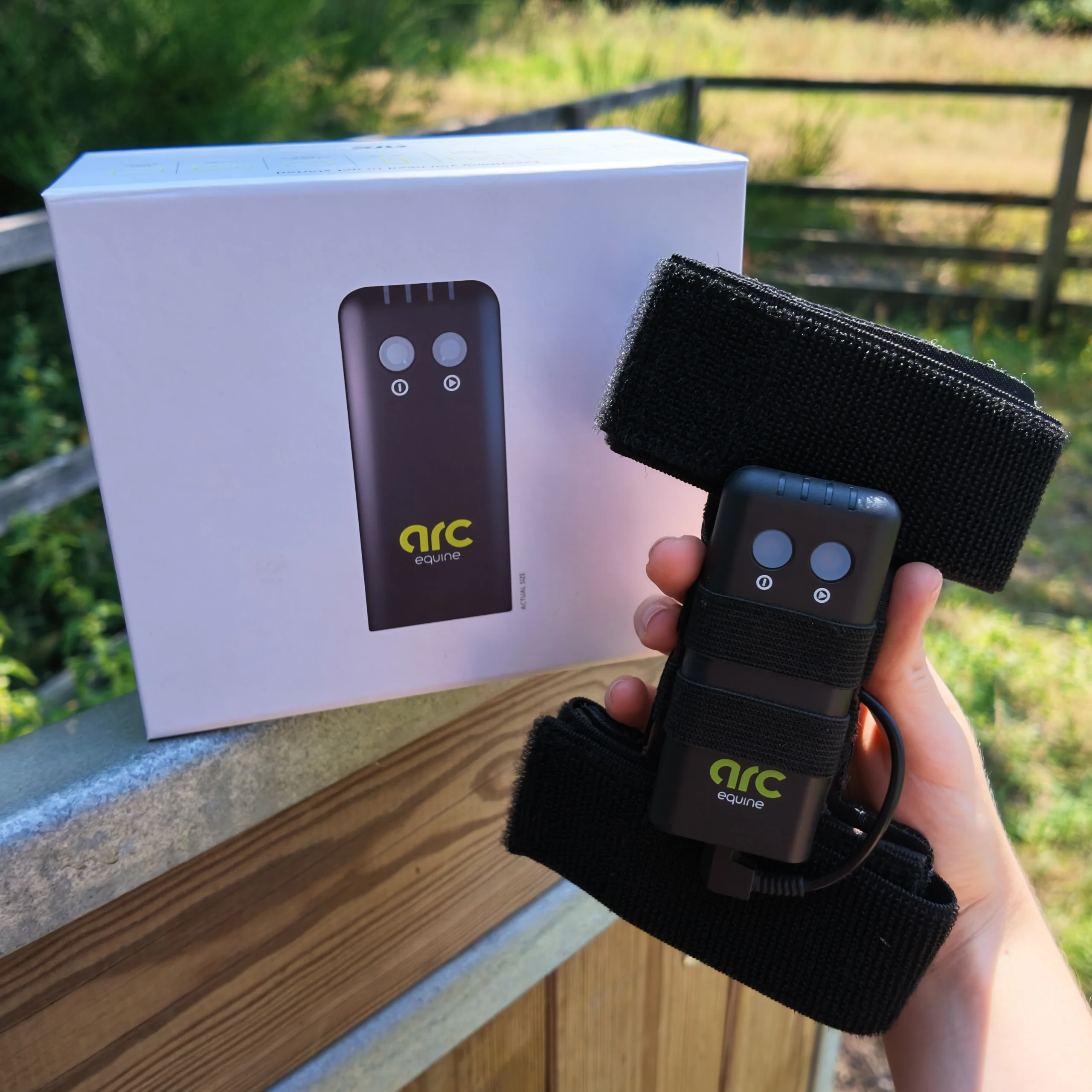
ArcEquine delivers low-level microcurrent therapy through specially designed carbon rubber pads. The therapy uses electrical currents measured in microamps, similar in magnitude to the body’s naturally occurring bioelectric currents. These natural electrical signals play an important role in cellular communication, tissue repair, and healing processes (5).
Research has demonstrated that microcurrent stimulation may help increase adenosine triphosphate (ATP) production within cells. ATP provides the energy required for many cellular functions, including tissue repair, protein synthesis, and recovery processes (6). By supporting these natural mechanisms, microcurrent therapy may help horses maintain comfort and support recovery throughout the winter months.
How ArcEquine Can Support Horses During Winter
Supporting Joint Health and Mobility
Many horse owners use ArcEquine during winter to help support horses experiencing stiffness associated with age, workload, or existing joint conditions. Research suggests that electrical stimulation may support normal cellular function within musculoskeletal tissues and assist with managing discomfort associated with inflammatory processes (7).
When incorporated into regular winter management, ArcEquine may help support:
- Mobility and flexibility
- Comfort during colder weather
- Exercise tolerance
- Ongoing joint management programmes
Supporting Injury Recovery
Winter conditions can increase the risk of slips, strains, and soft tissue injuries. Additionally, existing injuries may appear slower to recover when horses are less active.
Electrical stimulation has been shown to influence cellular activities involved in tissue repair and collagen production, both important components of the healing process (8).
ArcEquine may be used alongside veterinary-directed rehabilitation programmes for:
- Tendon injuries
- Ligament injuries
- Muscular strains
- Post-surgical recovery
Supporting Healthy Circulation
Healthy blood flow is essential for transporting oxygen and nutrients throughout the body. Research indicates that electrical stimulation may support local circulation and tissue oxygenation (9).
Supporting healthy circulation during winter may contribute to:
- Reduced stiffness
- Improved tissue health
- Recovery support
- Enhanced comfort following exercise
Supporting Skin Recovery
Good management practices remain the primary method for preventing mud fever and other skin conditions. However, where skin damage has occurred, supporting natural tissue repair can be beneficial. Microcurrent therapy has been investigated extensively for its potential role in wound healing and tissue regeneration through the promotion of cellular activity and collagen synthesis (10).
Helping Maintain Winter Exercise Programmes
Movement remains one of the most important elements of equine winter health. Horses that remain comfortable are often more willing to maintain consistent exercise routines, which can support:
- Joint mobility
- Muscle health
- Circulation
- Overall wellbeing
ArcEquine may therefore form part of a proactive winter health management plan aimed at keeping horses active throughout the season.
Winter Horse Care Tips
To help support your horse through the colder months:
- Maintain regular turnout whenever practical.
- Provide high-quality forage to support condition and digestive health.
- Ensure adequate shelter from wet and windy conditions.
- Keep bedding clean and minimise stable dust.
- Monitor legs regularly for signs of mud fever.
- Continue an appropriate exercise programme.
- Support recovery promptly following injury.
- Incorporate therapies such as ArcEquine as part of a comprehensive wellbeing plan.
Conclusion
Winter can bring a range of challenges for horses, including increased stiffness, arthritis flare-ups, respiratory concerns, skin conditions, and slower recovery from injury. While proper management practices remain essential, complementary therapies may provide additional support.
By working alongside the body’s natural bioelectrical processes, ArcEquine microcurrent therapy may help support recovery, circulation, mobility, and general wellbeing throughout the colder months. When combined with good nutrition, exercise, turnout, and veterinary care, ArcEquine can become a valuable part of a proactive winter horse care routine.
- McIlwraith CW, Frisbie DD, Kawcak CE. The horse as a model of naturally occurring osteoarthritis. Bone Joint Res. 2012;1(11):297-309.
- Couëtil LL, Cardwell JM, Gerber V, Lavoie JP, Léguillette R, Richard EA. Inflammatory airway disease of horses. J Vet Intern Med. 2016;30(2):503-515.
- White SD. Equine pastern dermatitis. Vet Clin North Am Equine Pract. 2015;31(2):367-380.
- Guyton AC, Hall JE. Textbook of Medical Physiology. 14th ed. Philadelphia: Elsevier; 2021.
- Becker RO. The body’s electric system and regenerative growth. Clin Orthop Relat Res. 1972;83:169-198.
- Cheng N, Van Hoof H, Bockx E, Hoogmartens MJ, Mulier JC, De Dijcker FJ, et al. The effects of electric currents on ATP generation, protein synthesis, and membrane transport in rat skin. Clin Orthop Relat Res. 1982;171:264-272.
- Ahmed AS, Li J, Erlandsson-Harris H, Stark A, Bakalkin G, Ahmed M. Targeting inflammation in osteoarthritis with microcurrent stimulation. BMC Musculoskelet Disord. 2019;20(1):1-10.
- Sebastian A, Syed F, Perry D, Balamurugan S. Electrical stimulation and soft tissue healing: a review of mechanisms and applications. Adv Wound Care. 2021;10(12):687-699.
- Kloth LC. Electrical stimulation technologies for wound healing. Adv Wound Care. 2014;3(2):81-90.
- Goldman R, Pollack S. Electric fields and their influence on wound healing. Dermatol Clin. 1984;2(3):433-442.